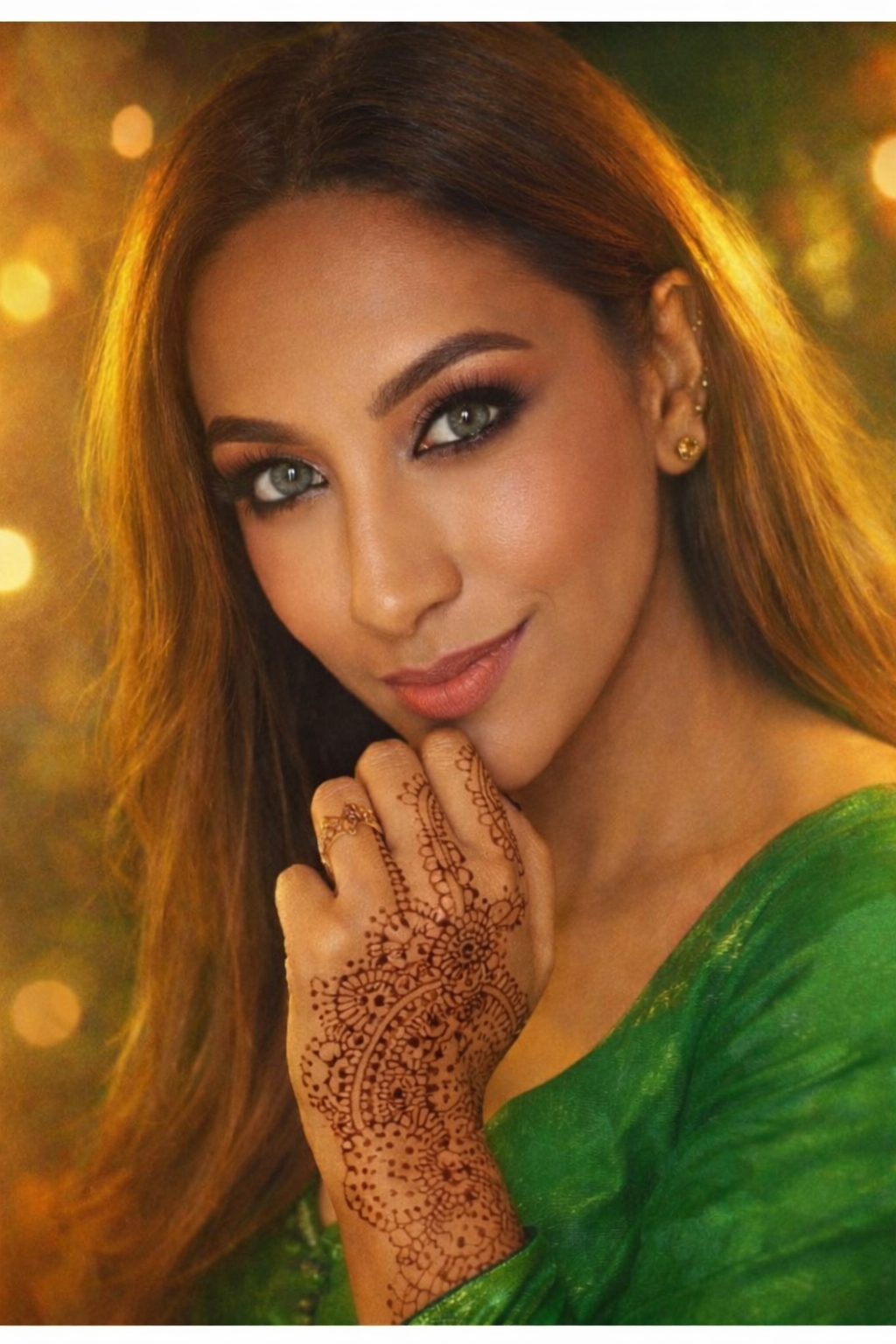
Kneet's relationship with music didn't begin as a career move. It began as rebellion, quiet, necessary, and a little dangerous. Growing up in a strict, religious Indian household, creative expression wasn't something offered to her. It was something she had to reach for on her own terms, in her teenage years, when the pull toward music became impossible to ignore.
That early rebellion grew into purpose. She started a collective called Freedom of Expression, bringing women and children together through music, art, and fashion, even as her own family resisted it. And then life took a turn she didn't see coming. What began as advocacy for women's and children's rights became something far more personal: years lost to domestic violence and coercive control, years where she describes losing her own sense of identity entirely.
Music is what helped her find her way back.
"That's how that song Rise came about," she told me, "and it literally tells the story of what happened to me when I came over here. That was my way of reclaiming my voice back."
What struck me most wasn't just the song, it was what came after. For the music video, Kneet chose to go back to the exact place where her story of loss began. Not to relive it, but to rewrite it. To stand in that place and tell the truth of what actually happened, on her own terms this time.
This is where Kneet's understanding of creativity gets especially beautiful. She doesn't separate the discovering from the creating, to her, they're the same act. Writing a song means going inward, being honest with parts of herself she might otherwise avoid. And she believes that honesty, the willingness to stop betraying yourself, is the real doorway into creative flow.
That flow, for Kneet, is also spiritual. Raised Sikh, she talks about music as vibration, the same thread she hears in a gurdwara, in a church choir, in any tradition where sound becomes a way of reaching something larger than ourselves. "When you put yourself into that tone, into that vibration of the universe," she said, "that's where you find your peace."
Her story hasn't stopped unfolding. Alongside "Rise," she's working on lighter, more celebratory music too, a Punjabi-influenced single honouring her roots, and another track bridging Bangkok and New York, a nod to her Thai heritage. And beyond the music, she's channelling her experience into advocacy, working toward greater recognition of psychological and emotional abuse within the court system, a continuation, she says, of the same voice that first showed up in her songs.
Her message for other women finding their way back to themselves is simple, and she says it without hesitation: don't let anyone else tell you who you are. If something stirs in your gut, that's your creativity trying to reach you.
Reflection question: Where in your life is your creativity quietly asking you to reclaim your identity or voice?