The rebel path
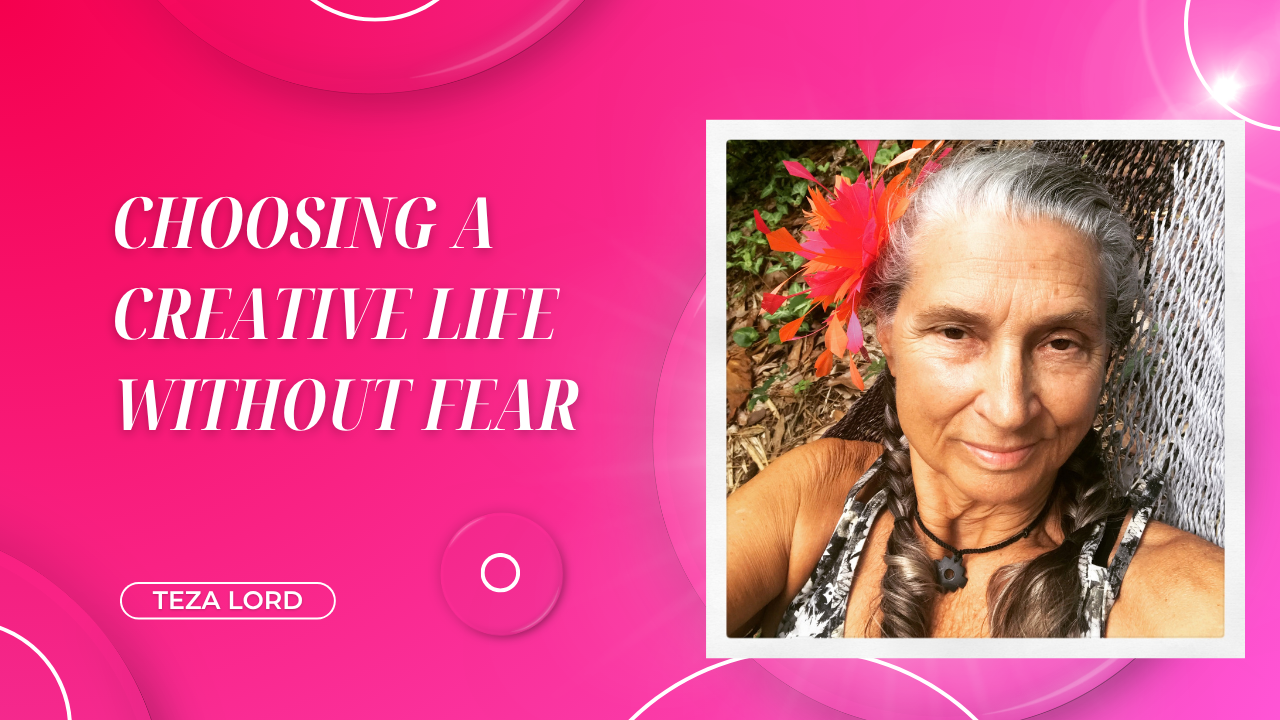
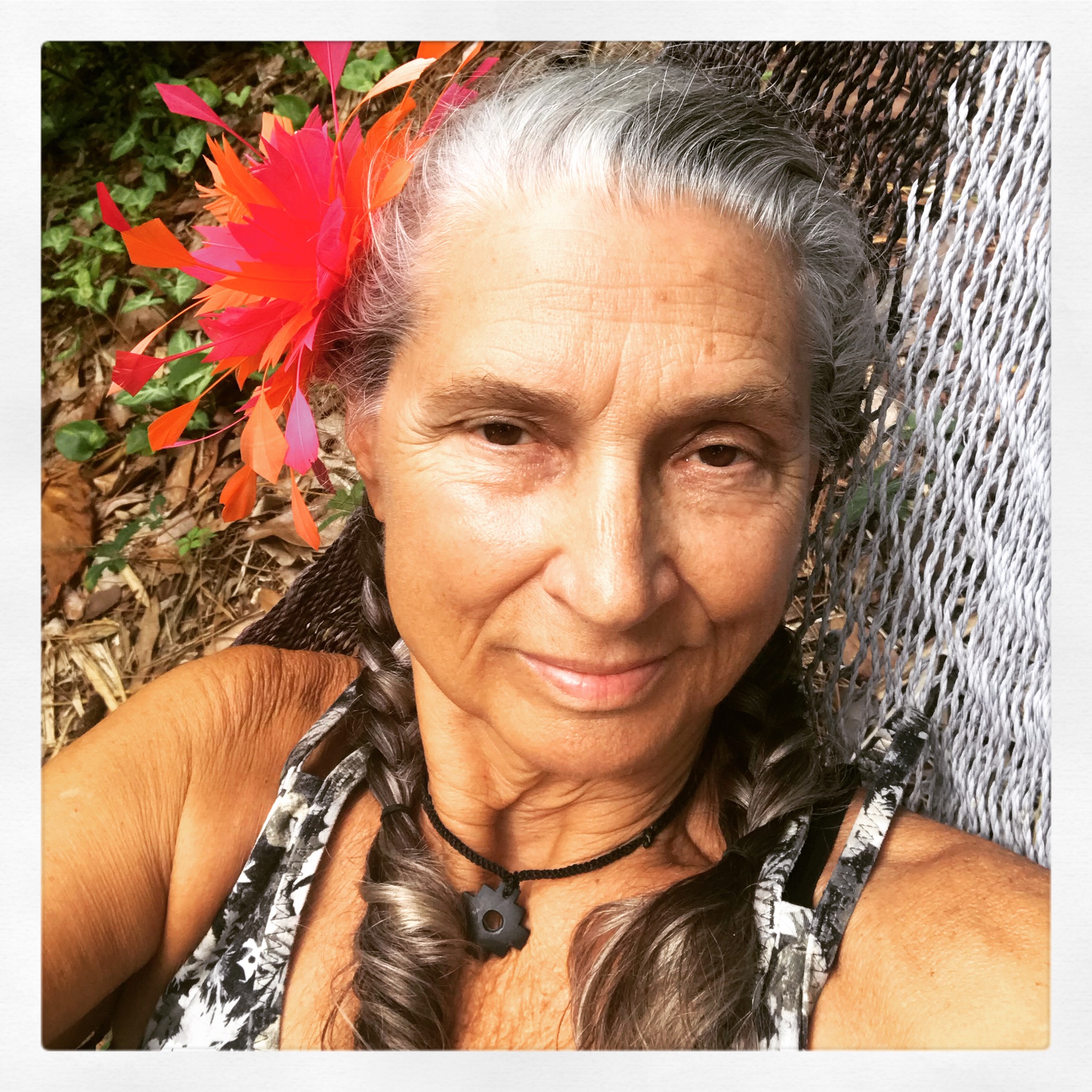
TeZa grew up with a clear message: creativity was something you earned once the chores were done and the bills were paid. Her parents offered her two futures, teacher or lawyer.
So she became a closet creative. She copied pictures from books, traced birds so hard the pencil marked the page underneath, and taught herself to draw from magazines. Everything changed when she was accepted into art school, right beside the university where she was meant to study law and within reach of Boston's Museum of Fine Arts. She had never had an art lesson. She simply decided she was going for it, and she knew: this is who I am.
The word she uses for herself, rebel, stays with me. So many of us learned early that creativity was a luxury. Claiming it anyway takes a quiet kind of defiance, and sometimes a willingness to disappoint people we love so we can stay true to ourselves.
Choosing adventure now
When TeZa finished art school, she didn't choose the career and the family, which is the path most people take. She chose adventure. She had watched people wait until retirement to finally explore, and she decided she wouldn't wait.
She sailed the Caribbean and earned her living from her own resourcefulness. Sometimes that meant sitting in hotel lobbies drawing portraits for cash. She worked as a botanical illustrator, a jeweller, a goldsmith and a carpenter, and she even worked on Jaws.
A life like that asks a great deal of trust. For TeZa, that trust is the spiritual side of being creative: opening to the energy and trusting it has a purpose. The same trust shows up in the studio, in knowing when a piece is finished and resisting the urge to keep going until you muddy it.
Skill as a doorway to surrender
One of the richest threads in our conversation was the relationship between skill and soul. I asked TeZa whether they pull against each other. Could all that disciplined learning crowd out the intuitive, spirit-led part of making?
She doesn't see a contradiction at all. As a child she longed to draw dancers, but she didn't understand how bodies moved, so she studied anatomy bone by bone. At art school she drew from a real skeleton, a woman her own height. Eventually she was tested on drawing a skeleton riding a bicycle, from a three-quarter rear view, entirely from memory.
The point wasn't realism. It was freedom. When the fundamentals live in your body, you stop worrying about getting it wrong, and you can open to whatever wants to come through.
For TeZa, this interplay of holding control and releasing it is spirituality. I often describe it as presence before pressure. They are two sides of one practice, and each makes the other possible.
Letting the work speak
TeZa told me about teaching a friend who had spent her whole life believing she wasn't creative. Her friend was working in pastels and quietly holding the idea of a fish. She added one strike of colour where the piece needed more contrast. Suddenly a fish appeared in the abstract layers, with lips, eyes and a fin. It hadn't been there a moment before.
This is what I mean when I talk about being a witness to your work: listening to it rather than directing every mark. Your intention sits somewhere beneath thought, and the materials meet you there.
Choosing love
TeZa describes her early art as angst-ridden. When she got sober, she decided to dedicate her life to living in the light of love. She photographed her old work and let most of it go. She kept only the fragments she still loved, and stitched and collaged them into new pieces.
I find that a profound image. She didn't erase the past, but she refused to keep living inside it, and carried forward only what still had life in it.
For TeZa, the opposite of love is fear, and the choice between them is simple, even when living it isn't. Meditation helped her release fear rather than analyse it. Creativity gave that choice a form.
Creativity as a way of being
TeZa's creative life is wonderfully wide. It includes botanical illustration, jewellery and silversmithing, carpentry, film, portrait drawing in Caribbean hotel lobbies, six books, and sculptural creatures made from bones, crystals and stones. But she is clear that creativity isn't limited to making art. It lives in how we dress, garden, cook and spend our time. It means following your heart instead of what's expected of you.
She believes that until we explore our creativity, we haven't yet understood that we are spiritual beings. Creativity is how we find out.
Her parting invitation is simple. Before you begin, hold the thought of what you want to embody, whether that's love, freedom or power, and let it guide what comes through. Guard your thoughts. The colours will follow.
A question to sit with:
Where in your creative life are you gripping so tightly to getting it right that there's no room for something unexpected to come through?